
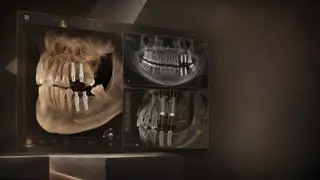
Do You Need to Replace a Missing Back Molar?
You may hardly see the space where a back molar used to be. Whether it needs replacement depends on what that tooth contributed to your bite and what is happening around the gap.
A missing molar can affect chewing. Nearby teeth may shift, and changes in the bone can occur. Those possibilities deserve an evaluation, but they do not mean every person needs the same treatment.
Start with what has changed
Tell the dentist when the tooth was lost and whether you now favor one side, avoid certain foods or notice food collecting in the space. Mention discomfort or a change in how your teeth meet.
Also explain if the gap has felt stable. Comfort is useful information, although it does not show everything an examination may reveal.
The position of the gap matters
A space between remaining teeth presents a different planning question from a space at the end of an arch. The condition of the neighboring teeth, gums, supporting bone and opposing teeth all help determine the options.
Ask the dentist to identify the missing tooth and show you the findings behind the recommendation. Losing a wisdom tooth is a different situation from losing a molar that contributes to your chewing.
Compare the options for your mouth
An implant can support a replacement crown without using adjacent teeth as bridge supports. It requires surgery and suitable conditions for healing, and it has risks and maintenance needs.
A conventional bridge relies on supporting teeth. Ask what changes would be needed to those teeth and how the restoration would be cleaned.
A removable partial denture may be another option, particularly when several teeth are missing. Ask about fit, daily removal and care. If monitoring the space is reasonable, ask what the review plan would involve.
The useful comparison is the proposed work, its limitations and its ongoing care. Avoid choosing from a price or treatment name alone.
Several missing molars do not settle the treatment choice
If more than one back tooth is missing, ask how a replacement would work with the natural teeth you still have. Discuss whether a limited restoration, a removable option or another approach could meet your needs.
Missing back teeth alone do not establish a reason to remove remaining teeth or choose a full arch restoration. Each tooth and the overall bite need assessment.
Questions for your appointment
What is the gap doing to my chewing and bite?
Are nearby teeth or the opposing tooth changing?
Which options preserve the teeth I still have?
What surgery or tooth preparation would each option involve?
If we monitor the space, what should prompt a review?
Common questions
Can I wait if the gap does not hurt?
Ask for an evaluation rather than using pain as the only guide. The dentist can explain whether monitoring is reasonable and which findings affect timing.
Is an implant always the best choice?
No single option fits every gap. Your dental condition, health, preferences and ability to maintain the restoration belong in the decision.
Understand the recommendation before choosing
Read about dental implants and porcelain bridges, or request a consultation at Dental Implants & Cosmetics in Plantation to discuss your missing molar.


Your smile has a story.
Let's design
what comes next.
Begin with a private consultation designed to help you understand your options clearly and confidently with no pressure and no obligation.