
Dental Cleanings
Designed for Prevention and Comfort
Professional cleanings that go further than what home care can reach, protect your gum health, and set an accurate baseline for long term care.
What brushing at home
cannot remove
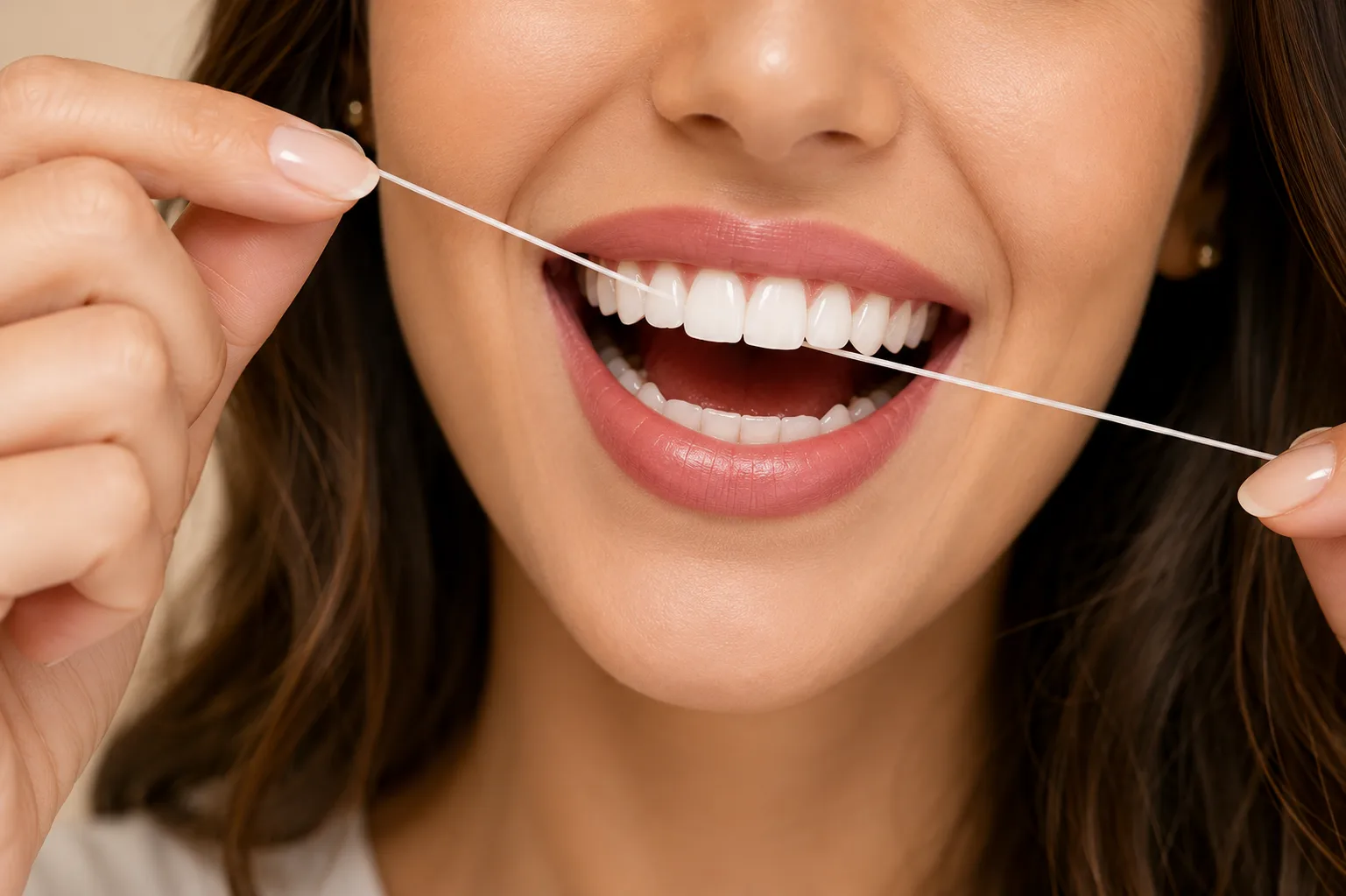
Plaque that is not disrupted within roughly 48 hours begins to mineralize into calculus, a hard deposit that bonds to tooth surfaces and can only be removed with professional instruments. Once calculus forms, brushing and flossing have no effect on it.
Cleanings also support early detection. Your hygienist records gum pocket depths at every visit. Changes over time are the earliest indicator of gum disease, often well before any symptoms appear. Catching these shifts early keeps treatment simple. These findings inform gum care and periodontal evaluation, including whether deeper cleaning is appropriate.
Calcified tartar
Also called calculus, tartar is mineralized plaque that hardens onto tooth surfaces and cannot be removed by brushing. It forms at the gumline and between teeth where bacteria concentrate and cause the most damage.
Subgingival buildup
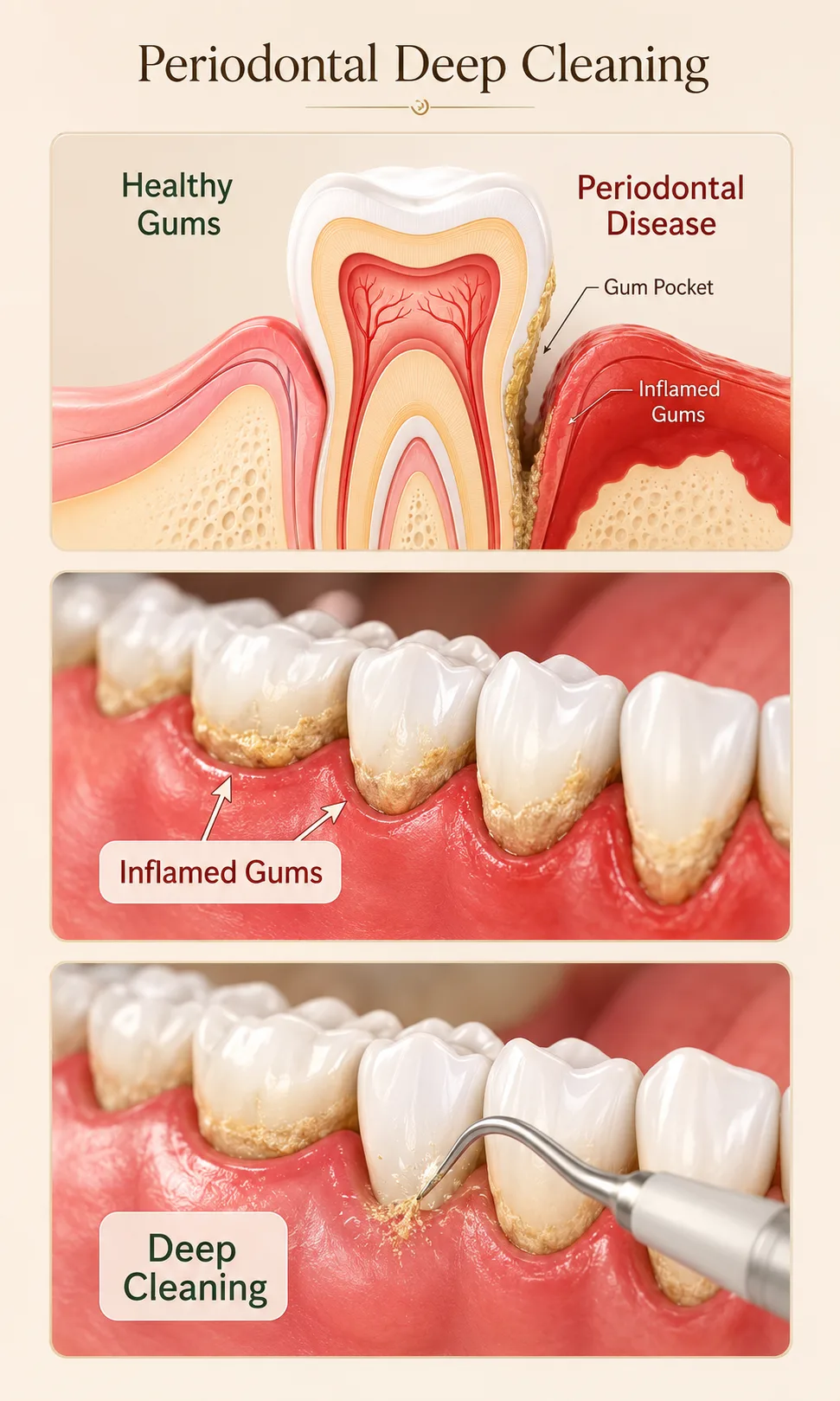
Tartar that forms below the gumline is particularly destructive. It irritates the gum tissue, triggers chronic inflammation, and contributes to the bone loss that defines advancing gum disease.
Surface staining
Coffee, tea, wine, and tobacco leave pigmented films on enamel that polishing lifts away. A cleaning does not replace whitening treatment, but it removes the dull surface layer that accumulates between visits.
Bacterial biofilm
Even in areas reached by a toothbrush, daily plaque removal at home leaves residual biofilm. Professional instrumentation disrupts this in places home care consistently misses.
What to expect
at your appointment
No surprises, no rush. Every cleaning appointment follows a consistent process so you understand exactly what is happening and why.
Health history review
We update your medical history at every visit. Changes in medications, systemic conditions, or lifestyle habits can affect your dental risk and how we approach your care.
Periodontal charting
Your hygienist records pocket depths around each tooth. This data tracks gum attachment over time and flags early changes before they become visible problems.
Scaling and debridement
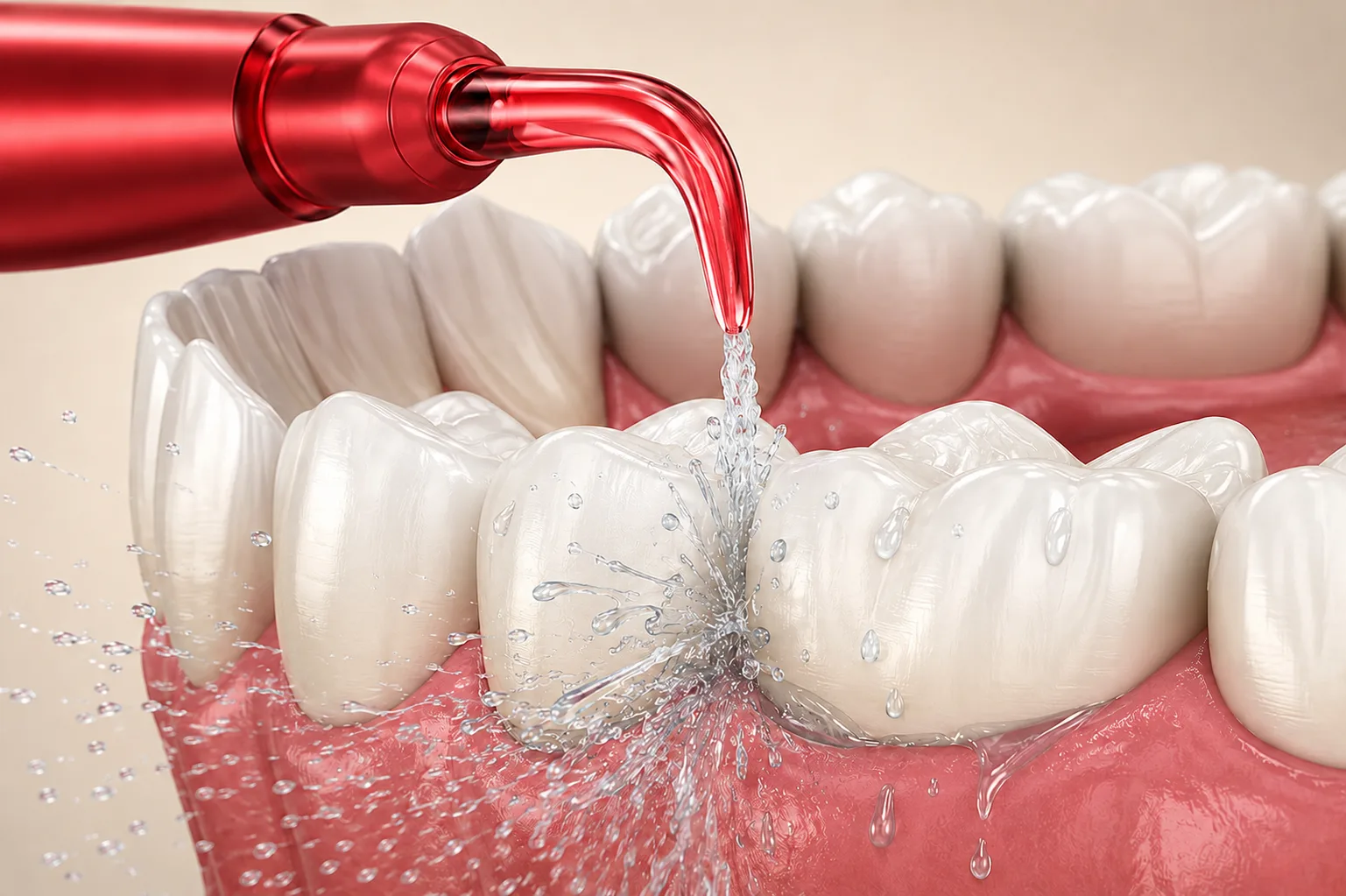
Hand instruments and ultrasonic scalers remove plaque and tartar from tooth surfaces and below the gumline. The technique and depth depends on what your charting shows.
Polishing
A light abrasive paste removes surface staining and smooths enamel. This is a comfort and aesthetic step performed after scaling is complete.
Exam by the doctor
The dentist reviews your charting, examines all teeth and soft tissues, and discusses any findings with you. X-rays are taken only when clinically indicated, not automatically at every visit.
Personalized recommendations
We explain what we found, what it means, and what your options are. Any recommended treatment is explained before it is scheduled. You leave knowing exactly where things stand.
Which kind of cleaning
is right for you
Not every cleaning is the same. The type of hygiene treatment you need depends on the current state of your gum health and your history of periodontal disease.
Routine prophylaxis
Best for
Patients with healthy gums and low disease activity
Frequency
Every 6 or 12 months based on your risk profile
Treatment depth
Supragingival and slightly subgingival
Periodontal maintenance
Best for
Patients with a history of gum disease treatment
Frequency
Typically every 3 to 4 months
Treatment depth
More thorough subgingival debridement
Scaling and root planing
Best for
Patients with active moderate to advanced gum disease
Frequency
One-time treatment by quadrant or full mouth
Treatment depth
Deep subgingival to root surface
Questions about dental cleanings



Your smile has a story.
Let's design
what comes next.
Begin with a private consultation designed to help you understand your options clearly and confidently with no pressure and no obligation.